Concrete Fencing vs Traditional Fence Materials
People exploring concrete fencing versus traditional fence materials often want durable, low-maintenance options, and local contractors can help determine the best choice for their needs.
Property owners exploring fencing options often find themselves weighing the benefits of concrete fencing against traditional fence materials. This comparison is especially relevant for those seeking durable, low-maintenance solutions that can withstand the local climate and provide lasting privacy and security. Whether aiming to enclose a residential yard or define a commercial space, understanding the differences between these materials can help make informed decisions. Local contractors skilled in concrete fencing can offer insights into how this option might meet specific property needs, providing a resilient barrier that complements the landscape.
As property owners consider their fencing choices, practical concerns such as longevity, maintenance, and overall appearance come into focus. Concrete fencing often stands out for its strength and minimal upkeep, making it an appealing alternative to wood, vinyl, or chain-link fences. Local service providers experienced in concrete fencing can assist in evaluating these factors and determining how concrete might align with long-term property goals. Continuing to explore this comparison can reveal valuable options for enhancing security, privacy, and curb appeal through the expertise of local contractors.
- Residential privacy fencing - homeowners seeking durable and low-maintenance barriers often choose concrete fencing over traditional wood or vinyl options, with local contractors specializing in seamless installation.
- Commercial property enclosures - businesses requiring secure and long-lasting fencing solutions can rely on local service providers experienced in concrete fencing for added strength and security.
- Boundary wall construction - property owners wanting to define clear property lines with minimal upkeep may opt for concrete fencing, with local pros capable of customizing designs to fit specific needs.
- Noise barrier installations - those looking to reduce sound transmission from busy streets or neighboring properties often turn to concrete fencing, with local contractors adept at integrating soundproof features.
- Pool and outdoor area enclosures - homeowners aiming for a sturdy, weather-resistant barrier around pools or patios often prefer concrete fencing, with local service providers handling the installation efficiently.
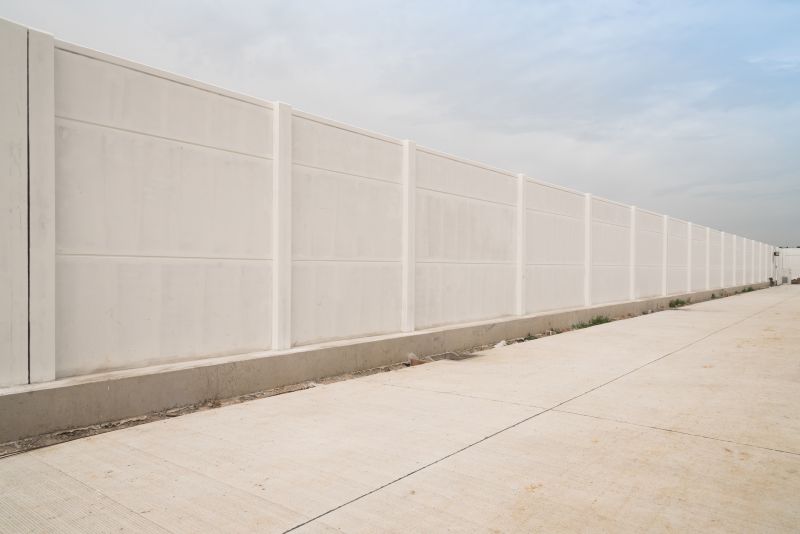
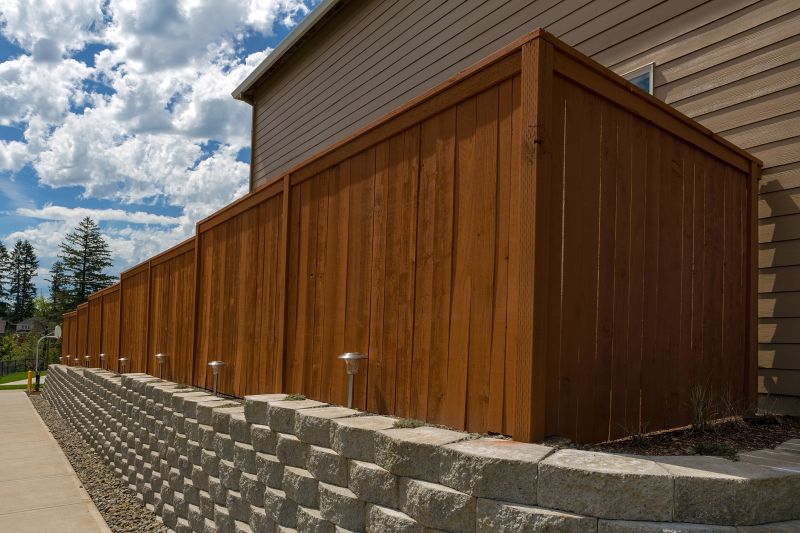
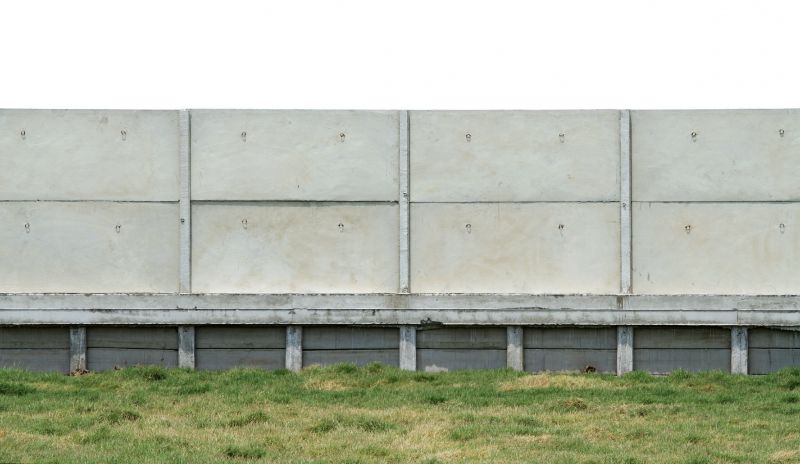
When people search for concrete fencing vs traditional fence materials, they are often exploring options for enhancing privacy, security, and property boundaries. Homeowners typically consider this topic when planning to replace an aging fence or to install a new one that better suits their needs. The comparison usually involves understanding the durability, appearance, maintenance requirements, and overall lifespan of different fencing options. Many are seeking a solution that balances cost-effectiveness with long-term performance, especially in areas where weather conditions or security concerns are significant factors.
This topic is closely related to various property improvement projects, including creating secure yards for children or pets, establishing clear property lines, or adding privacy screens around patios and gardens. It also connects to planning for fencing that can withstand local environmental conditions, such as high winds or heavy rainfall. For those with specific goals like reducing noise or preventing intrusions, understanding the strengths and limitations of concrete fencing versus traditional materials becomes essential. Homeowners often want to know which option will require less upkeep and how each material fits into their overall property design.
The types of properties that typically come up in discussions about concrete fencing vs traditional fence materials include residential homes, commercial buildings, and even some multi-family complexes. Residential properties often seek fencing that offers privacy and security without sacrificing aesthetic appeal, leading many to consider concrete or brick options. Commercial properties, on the other hand, may prioritize durability and low maintenance for security fences around industrial sites or parking lots. Multi-family residential buildings might focus on creating boundaries that are both sturdy and visually consistent with the overall property design. Local service providers can help assess the specific needs of each property type and recommend the most suitable fencing material.
Understanding the differences between concrete fencing and traditional fence materials helps homeowners make informed decisions about their fencing projects. Local contractors who specialize in concrete fencing can provide insights into installation processes, material advantages, and long-term benefits tailored to each property’s unique requirements. Whether the goal is to improve privacy, security, or curb appeal, connecting with experienced local pros ensures the right fencing solution is chosen. This way, property owners can achieve a durable, functional, and attractive boundary that aligns with their project goals and property characteristics.
Retaining wall construction - this project involves planning and building sturdy structures that require similar skills and tools used in concrete fencing installations.
Landscape edging projects - installing durable landscape borders often shares planning and material handling techniques with concrete fencing services.
Patio and outdoor living space construction - creating hardscapes involves planning and material placement skills comparable to those needed for concrete fencing compared to traditional materials.
Foundation and footing work - these projects require precise planning and concrete handling, aligning closely with the skills used in concrete fencing installation.
Privacy wall development - building privacy walls with various materials involves similar planning, site prep, and structural considerations as concrete fencing versus traditional options.
Driveway and walkway paving - laying concrete or other paving materials involves planning and tools that are also used in concrete fencing projects.
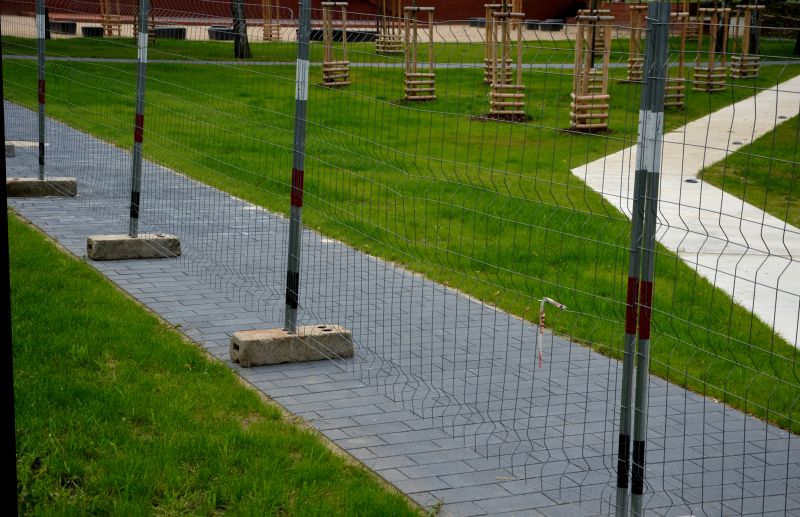
When comparing service providers for concrete fencing versus traditional fence materials, it is important to consider their experience with similar projects. Homeowners should inquire about the types of fencing projects the contractors have completed in the past, especially those involving concrete fencing. A contractor with a proven track record in handling concrete fences can offer insights into potential challenges and best practices, ensuring the project aligns with expectations. Reputable references or examples of completed work can provide additional confidence in a contractor’s ability to deliver quality results specific to concrete fencing needs.
Clear and detailed written expectations are essential when choosing a local contractor for fencing services. Homeowners should seek proposals that outline the scope of work, materials to be used, and the estimated process for installation or repair. This helps prevent misunderstandings and ensures that all parties are aligned on project goals. When evaluating service providers, it’s beneficial to ask how they communicate project details and updates throughout the process, as good communication can significantly impact the overall experience and outcome of the fencing project.
Reputation and communication are key factors when selecting a contractor for concrete fencing versus traditional options. Homeowners should look for local service providers with positive reputations within the community, which can often be verified through references or reviews. Additionally, a contractor’s willingness to listen, answer questions, and provide clear explanations demonstrates professionalism and dedication to customer satisfaction. Choosing a contractor who values open communication and has a solid reputation can help ensure the project proceeds smoothly and meets the homeowner’s expectations for durability, appearance, and functionality.
Property owners often search for concrete fencing vs traditional fence materials when they are planning practical projects around their homes and businesses. Local pros provide Concrete Fencing services for everyday jobs and straightforward project options.
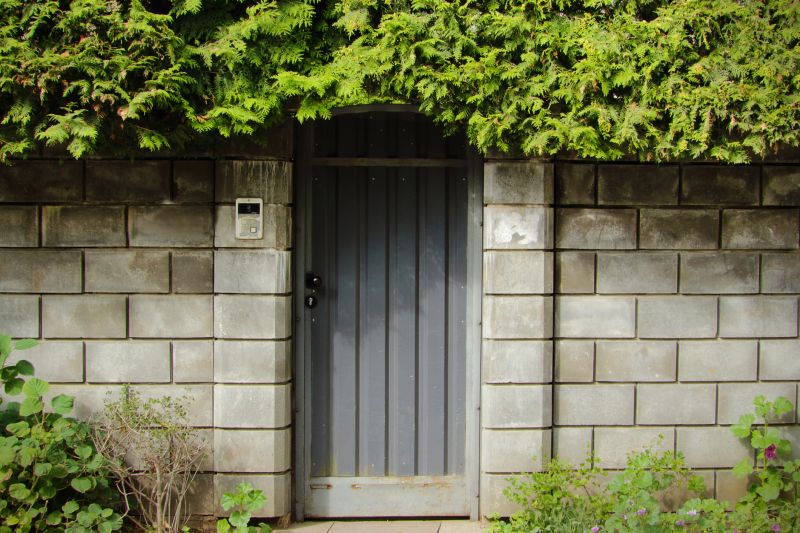
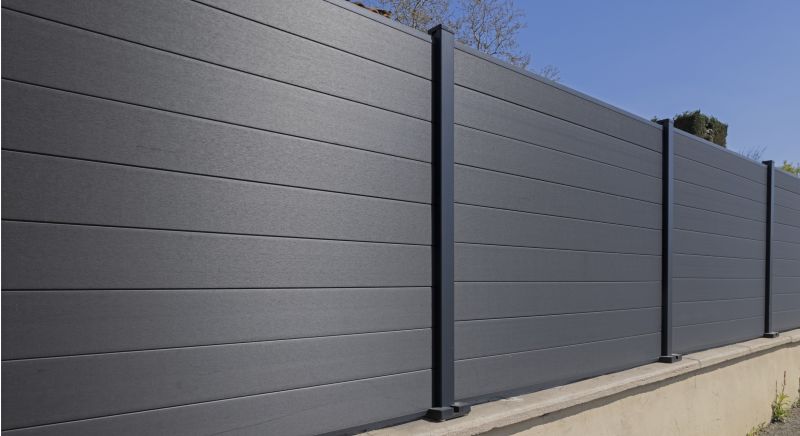
When considering fencing options for a residential property, many property owners in the area compare concrete fencing versus traditional fence materials like wood, vinyl, or chain link. Traditional fences are often chosen for their affordability and ease of installation, making them a common choice for quick boundary marking or decorative purposes. However, property owners might look into concrete fencing when seeking a more durable, low-maintenance solution that can withstand harsh weather conditions and provide long-term security. Local contractors can offer insights into how concrete fencing can serve as a sturdy barrier, especially for those seeking increased privacy and minimal upkeep.
Property owners exploring fencing options often want to understand the practical differences between concrete fencing and traditional materials. While traditional fences may require regular repairs or repainting, concrete fencing generally offers a more permanent and solid structure that can last for many years with little maintenance. Local service providers can help evaluate the specific needs of a property, such as security, privacy, or aesthetic preferences, and recommend concrete fencing services that align with those goals. This makes it easier for property owners to make informed decisions based on durability, longevity, and overall suitability for their property.
What are the main differences between concrete fencing and traditional fence materials? Concrete fencing offers durability and low maintenance, while traditional materials like wood or vinyl may require more upkeep and are often less resistant to weather and pests.
How does the durability of concrete fencing compare to traditional fencing options? Concrete fencing generally lasts longer and withstands harsh conditions better than traditional materials, which can be prone to rotting, warping, or cracking over time.
Are concrete fences more resistant to pests and weather than traditional fences? Yes, concrete fences are highly resistant to pests such as termites and are less affected by weather elements, making them a more resilient choice compared to wood or metal fences.
Can local contractors customize concrete fencing to match specific styles or needs? Many local service providers can customize concrete fencing with various finishes, textures, and designs to suit different aesthetic preferences and functional requirements.
What are some advantages of choosing concrete fencing over traditional fence materials? Concrete fencing can provide increased security, longevity, and low maintenance, making it a practical and durable alternative to traditional fencing options handled by local contractors.
Durability comparison - Property owners can explore how concrete fencing offers longer-lasting results compared to traditional wood or vinyl options by consulting local contractors.
Design versatility - Homeowners interested in customizing their fencing can discuss with local service providers about the design options available with concrete fencing versus traditional materials.
Maintenance considerations - Those seeking low-maintenance fencing solutions can evaluate with local pros how concrete fencing reduces upkeep needs compared to traditional fencing materials.
Installation options - Property owners planning a new fence installation can compare the different installation methods and timelines that local contractors use for concrete fencing versus traditional fences.
If you are thinking about concrete fencing vs traditional fence materials for a property, this guide is meant to help you understand this topic, the typical project types, and how different options might fit your plans.
When you are ready, you can use the quote form on this page to share a few details about your project. From there, local pros can review the basics and follow up with options that match what you have in mind.